


[!tip] Author’s Note:
This piece is part of a curated series to help you experience Portugal like you actually know somebody here (me).
View the complete visitor’s guide for my personal advice and a few free lessons that will teach you enough Portuguese to order your food and navigate your way around more confidently.
This is a curated list of the stuff me and my wife have personally fallen in love with since living in Lisbon. Think of it like opening a menu with a friend who already lives here and asking, “what should I get?”*
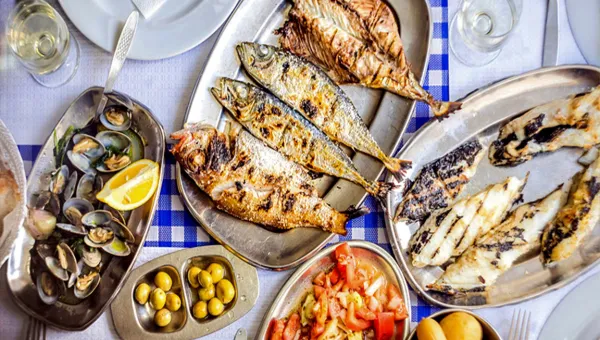
Portuguese food is usually described as “simple and fresh,” and that’s pretty accurate, but it’s also very meat-and-seafood-forward. Vegetables play a supporting role. Salads exist, but they’re almost always a sad little afterthought, such as lettuce, onion, carrot, tomato, a splash of olive oil. Expect basic salads when ordering here.
The way the Portuguese get their vegetables is mostly through soup, which is everywhere and almost always excellent. It’s super common to start a meal with one, especially at lunch. Caldo verde, sopa das pedras, creme de cenoura, etc., they’re all good. My advice is to always get whatever the “sopa do dia” is to start your meal. They’re usually quite cheap and are always great.
The other thing worth knowing is to keep an eye out for “prato do dia” (dish of the day). It’s a working-class lunch tradition where restaurants offer a few simple, cheap dishes meant to fill your belly rather than impress you. They’re usually scribbled on a chalkboard, they rotate daily, and they’re often a chef’s specialty cooked many times over. I love them. Great way to discover new dishes, save a few euros, and eat something the kitchen makes really, really well. Be adventurous.
[!tip] Pro Tip
Most sit-down spots will automatically put bread, cheese, and olives on your table when you sit down. This is called “couvert” and costs extra. You can decline it without any awkwardness, but it’s worth noting these items are NOT free (still cheap, but not free).
Without further ado… here is our short list of favorites, broken down by category for easy perusing.
Jump to a section
Pork Dishes
The Portuguese love pork. It shows up in basically everything, prepared a hundred different ways, and honestly it’s some of the best pork I’ve had anywhere.
Chouriço Assado
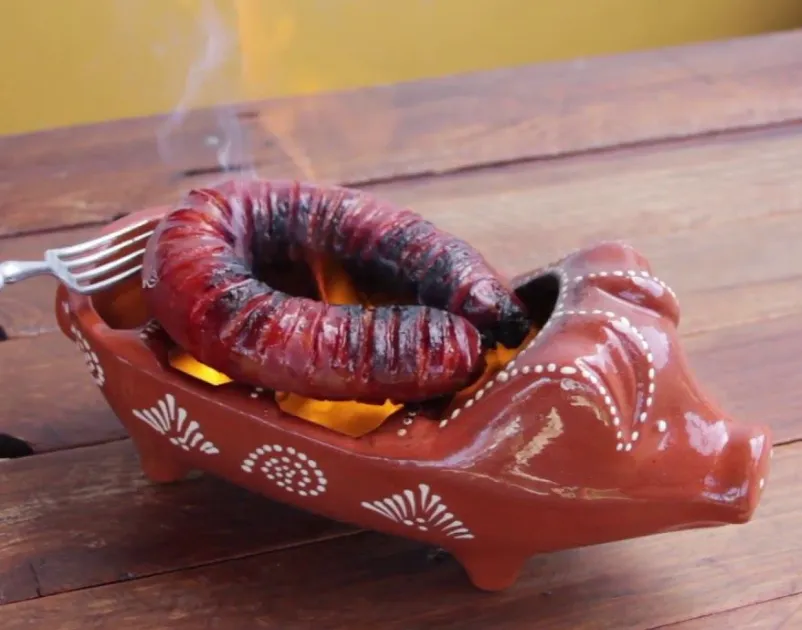
This is a salty, fatty, cured Portuguese sausage that gets brought to your table on a little ceramic pig-shaped grill, set on fire with alcohol right in front of you, and cooks while you watch. It’s theatrical and delicious. The sausage is smoky and porky and a little spicy. Order it as a starter to share. Let it cook for longer than you think. That blackened outside gets real crispy and delicious.
Bifanas
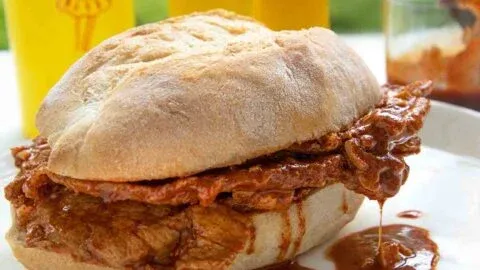
A thin slice (or several) of marinated pork on a soft roll. That’s it. That’s the sandwich. It’s one of the most perfect cheap foods in the world. The marinade is garlicky and a little spicy, the bread soaks up the juice, and it costs like 3 euros. Get one at a football match with a beer and your life will improve measurably.
As a quick aside, I’ve been told the bifanas in the north (Porto-style) are even better than the ones we get down here in Lisbon. Apparently the sauce is different and the bread is different.
While I have been to Porto many times and know the city well (which you can read about in my Porto guide), I somehow haven’t tried a Porto-style bifana up there yet to verify the hype.
I eat bifanas all the time in Lisbon and love them, but I know there is quite a rivalry between the two styles and people get very passionate about which they prefer.
If you happen to try both before I do, do me a favor and report back!
Leitão da Bairrada
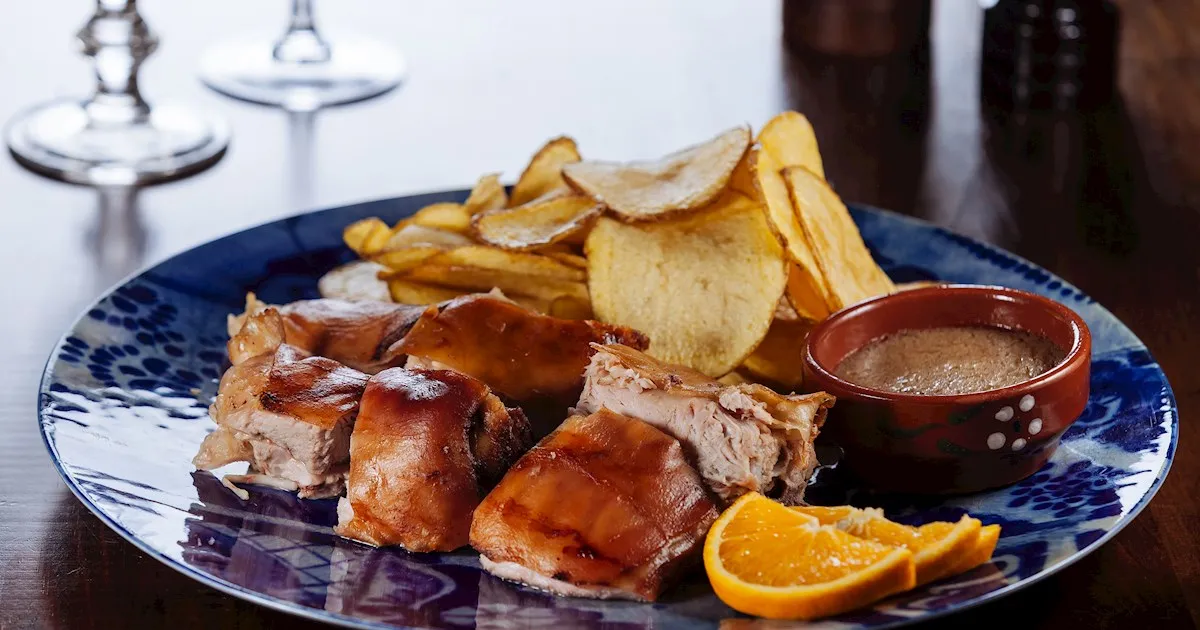
Roasted suckling pig from the Bairrada region. The skin is super crispy, the meat is mega tender, and it’s served with a peppery, garlicky sauce, orange slices, and either potato chips or rice. When we drive up north (near Coimbra), I’ll often try to talk my wife into making a lunch stop at Rui dos Leitões for a special treat. There’s also a few good spots for this in the Lisbon area as well. If you’re looking for it in Lisbon, I recommend going to Eliseu dos Leitões.
If you only eat one pork dish in Portugal, this might be the one.
Carne de Porco à Alentejana
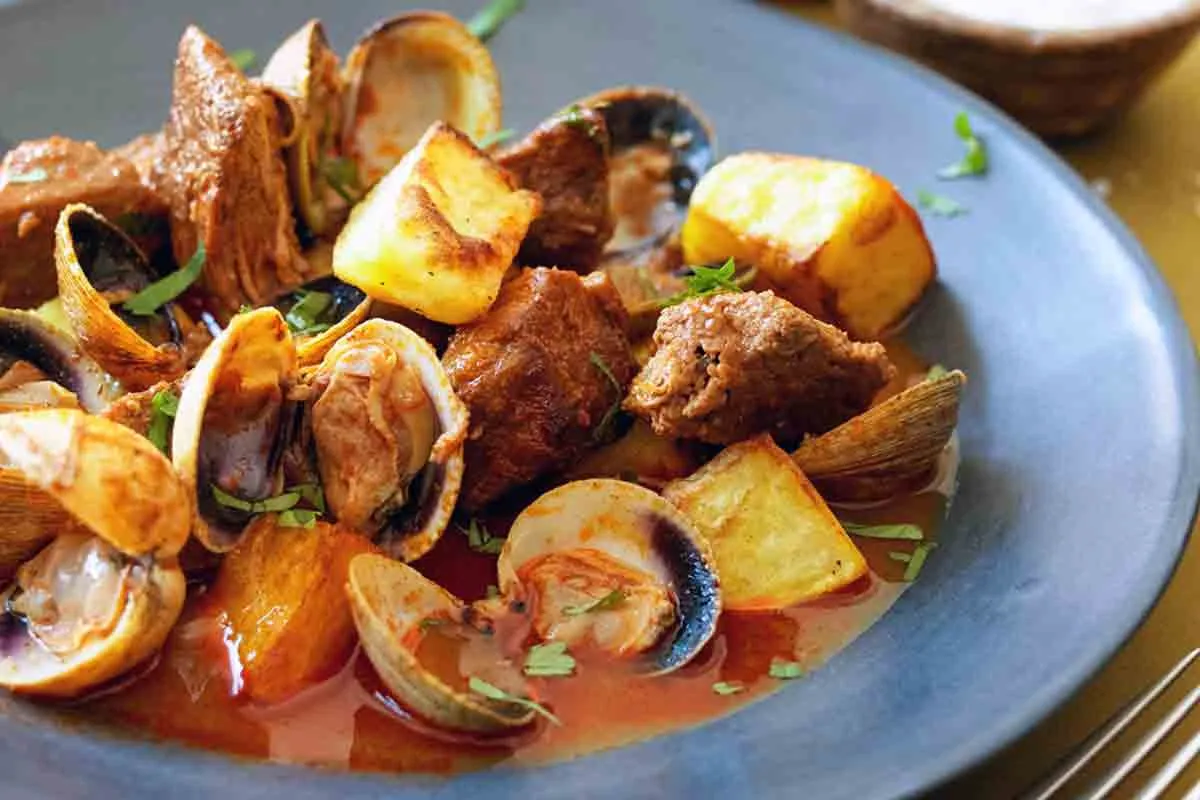
Pork and clams. Sounds weird, tastes incredible. Cubes of marinated pork are cooked with clams in their shells, along with potatoes, cilantro, and a paprika-and-garlic sauce. The clams open up and their briny juice mixes with the pork fat and the sauce and it’s just… yeah. One of those combinations that shouldn’t work and absolutely does. You can find it at plenty of places around Portugal, not just in the Alentejo where it comes from.
Migas à Alentejana
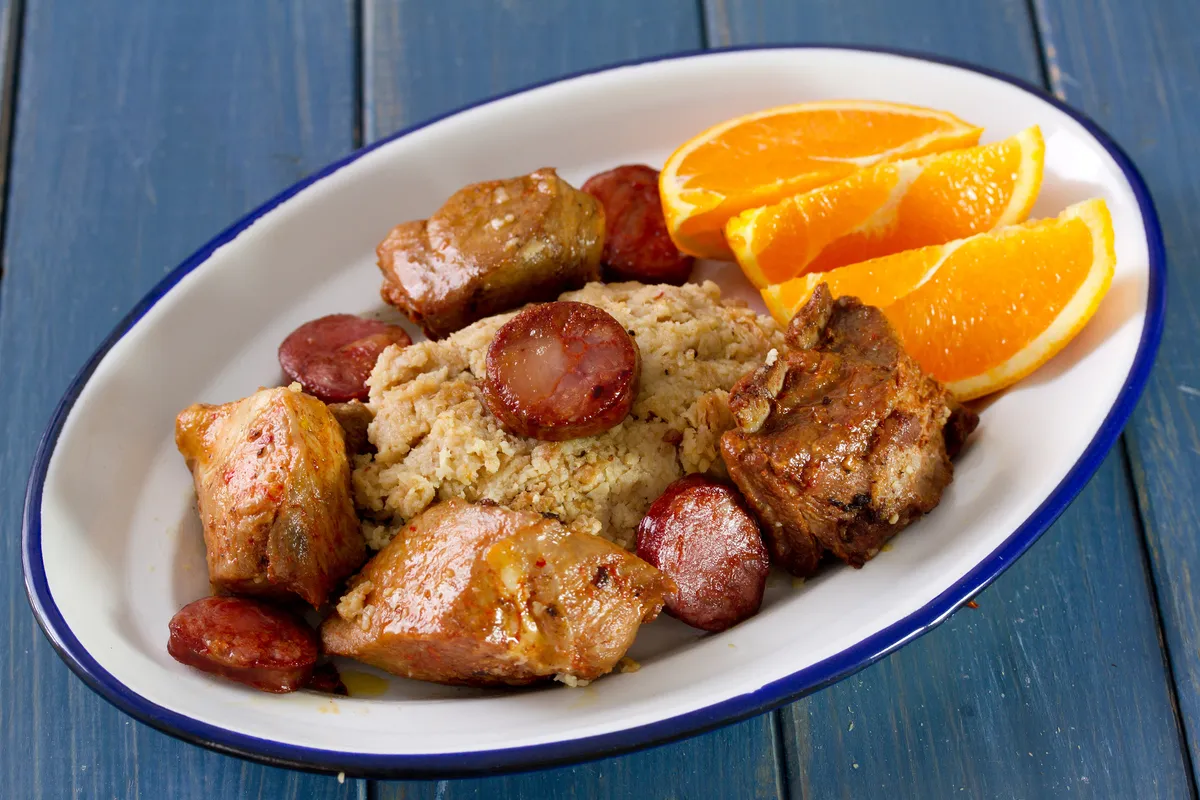
Bread “crumbs” (more like soft chunks) cooked down with garlic, olive oil, and herbs into a sort of savory bread pudding situation, served alongside pork. It’s rich, garlicky, comforting, and absolutely the kind of thing you want on a cool day with a glass of red. Trust the process and instead of having bread as a side dish, cook it into your food front and center.
Beef Dishes
While pork might steal the spotlight, Portugal knows exactly what it’s doing with beef. Here are our go-to orders.
Pica Pau
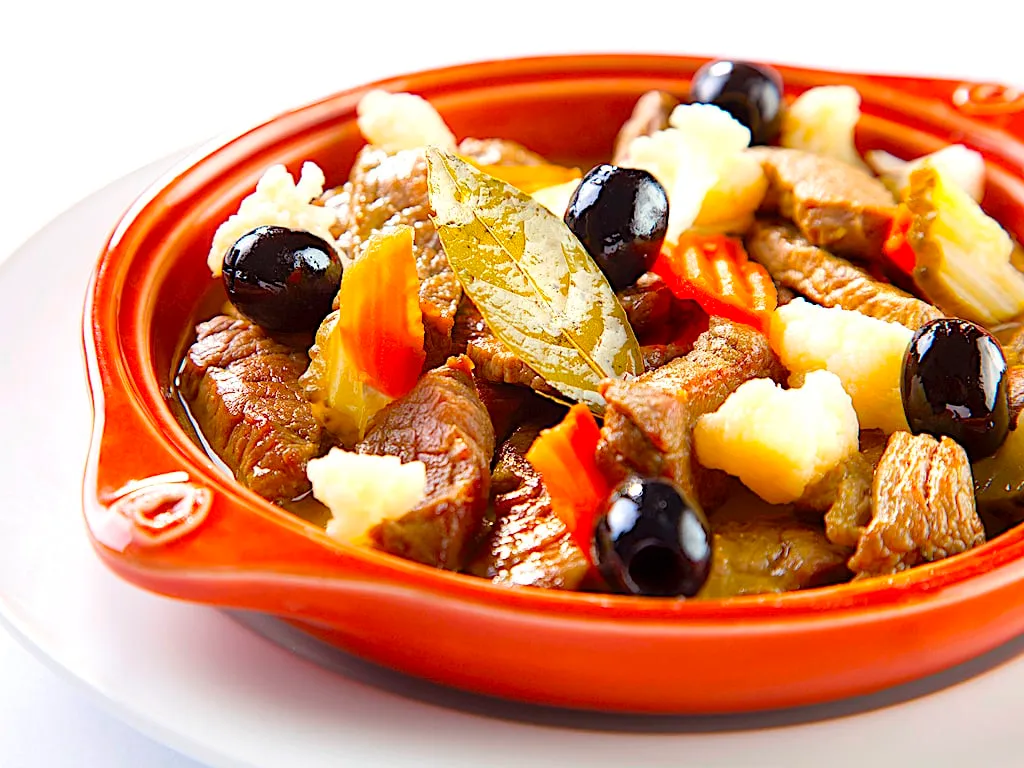
Small chunks of beef cooked in a garlicky, mustardy, white wine sauce with pickled vegetables and olives on top. It comes out sizzling in a little pan, and you eat it with toothpicks. “Pica pau” literally translates “woodpecker,” which is what you look like spearing the pieces. It’s typically served as a “petisco” (a snack to share over beers), and it’s one of my favorite things to order when we’re sitting outside in the afternoon with a beer or a glass of wine. They have competitions for who can make the best versions of this sauce, that’s how revered it is. Soak up what’s left with bread.
Bitoque
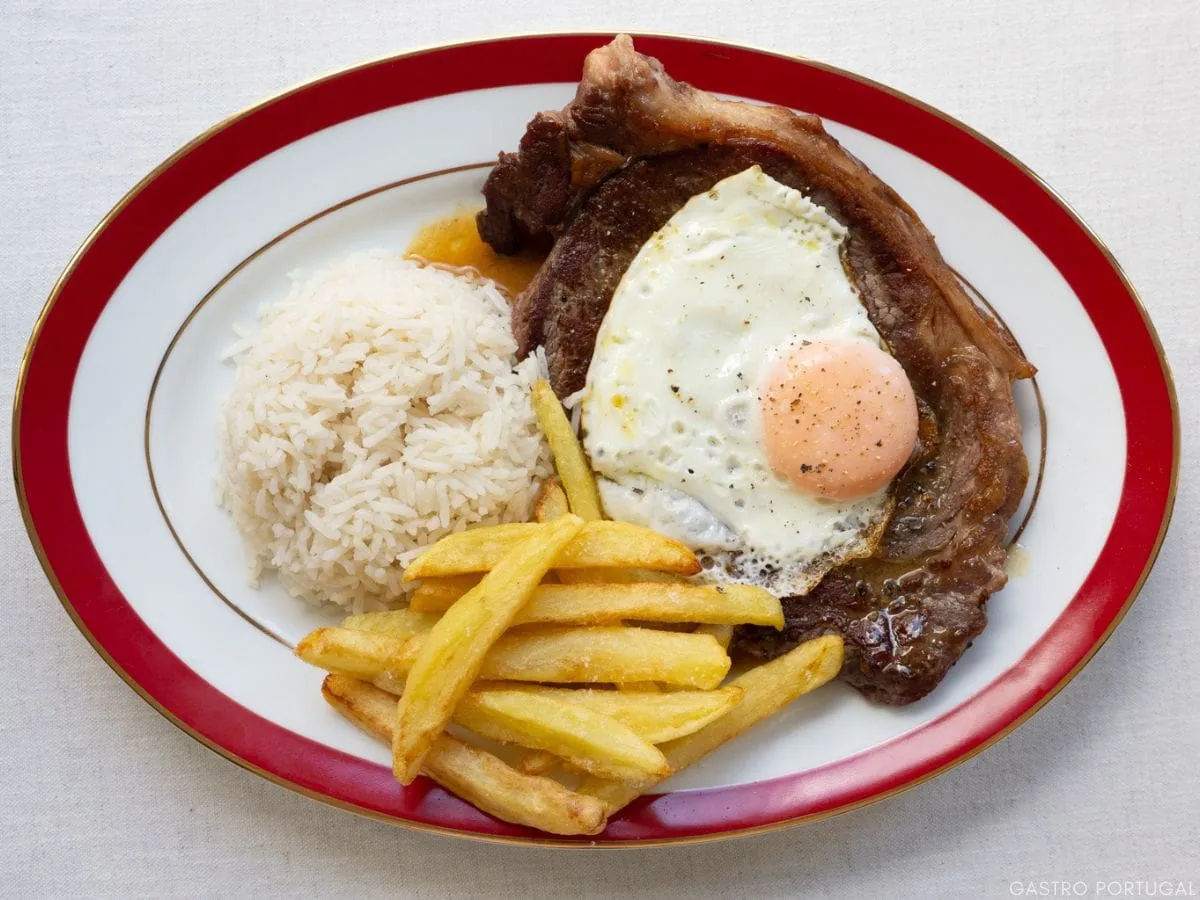
A thin, garlicky, buttery steak topped with a fried egg, served with rice, fries, and usually a little salad on the side. It’s a standard, no-frills, everyday Portuguese meal, the kind of thing you’d get at lunch at your local tasca for under 10 euros. It is humble and straightforward. Sometimes you just want a steak with an egg on it.
Pregos

The beef cousin of the bifana. A thin slice of garlicky steak on a bread roll, often served as a dessert after a big seafood meal (yes, “dessert,” as Portuguese seafood places will often offer a prego as a way to fill your belly since it’s challenging to do that with shellfish alone). Add mustard. It rules.
Seafood & Fish
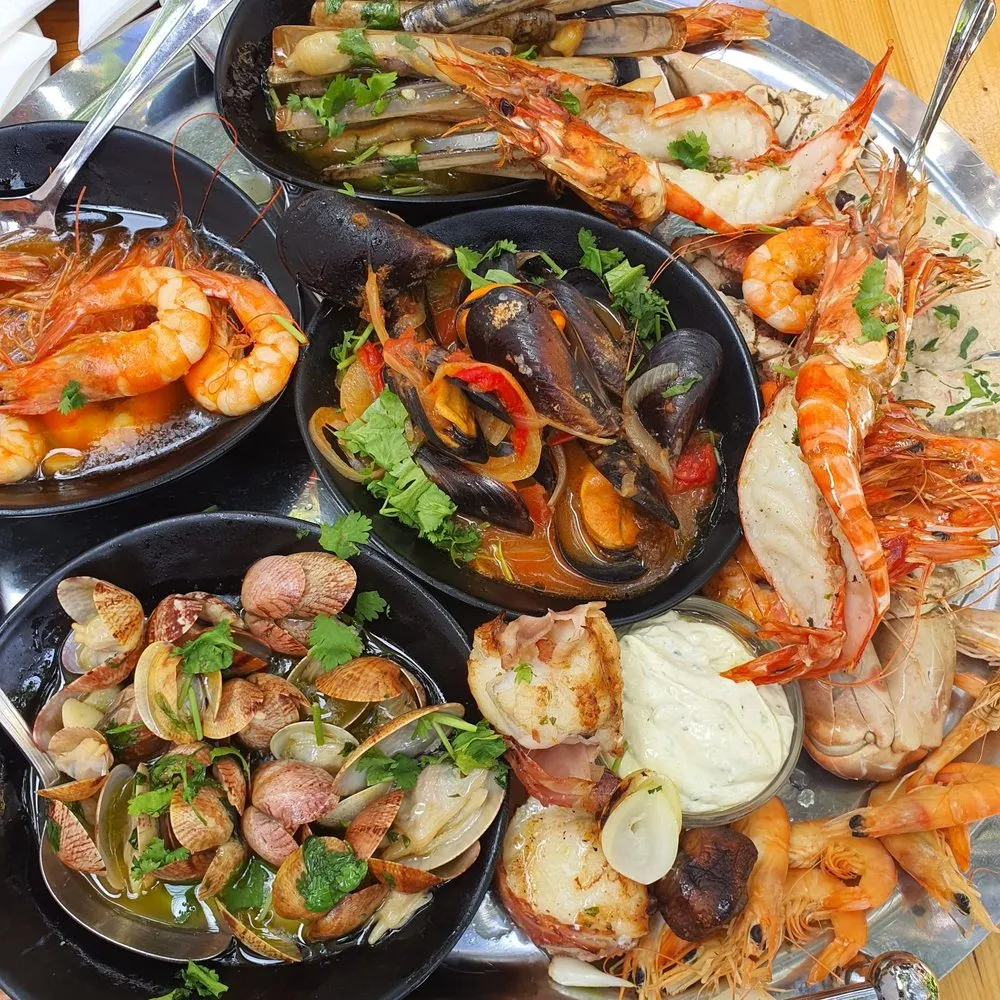
If pork is one pillar of Portuguese cooking, seafood is the other. Lisbon’s right on the water, the fish is fresh, and the seafood-and-shellfish game is genuinely world-class.
Sapateira Recheada
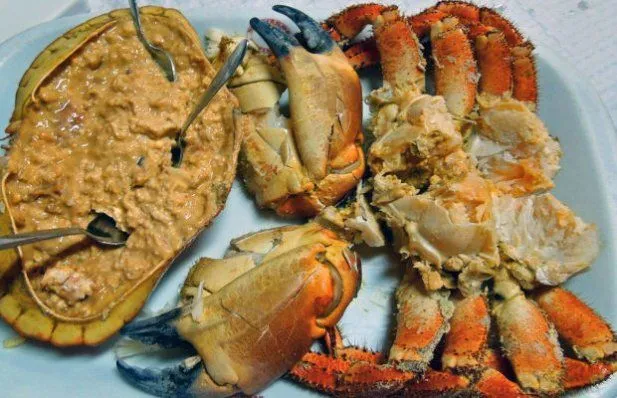
Stuffed brown crab. They take the crab meat, mix it with mustard, egg yolk, pickles, beer or port, and a bunch of other stuff, and serve it back inside the shell with toast on the side. You scoop, spread, eat, repeat. It’s rich, briny, a little sweet, and almost dessert-like in how decadent it feels. One of my absolute favorite things to order at a marisqueira.
Polvo à Lagareiro
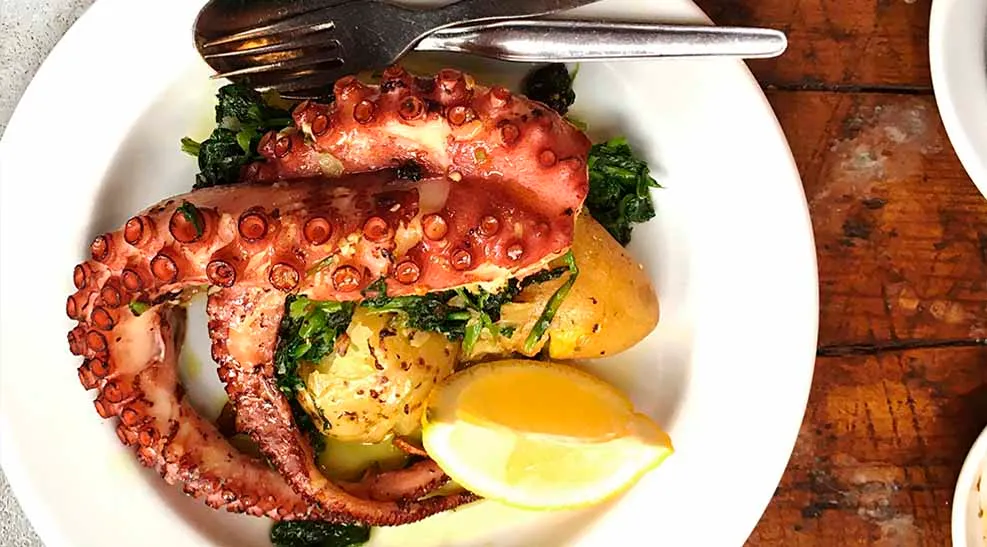
Octopus roasted with a lot of olive oil, a lot of garlic, and “punched” potatoes (smashed roasted potatoes called batatas a murro). The octopus is tender, charred on the outside, and the potatoes soak up all that garlicky oil. This is one of those dishes that converts people who think they don’t like octopus.
Sardinhas Assadas
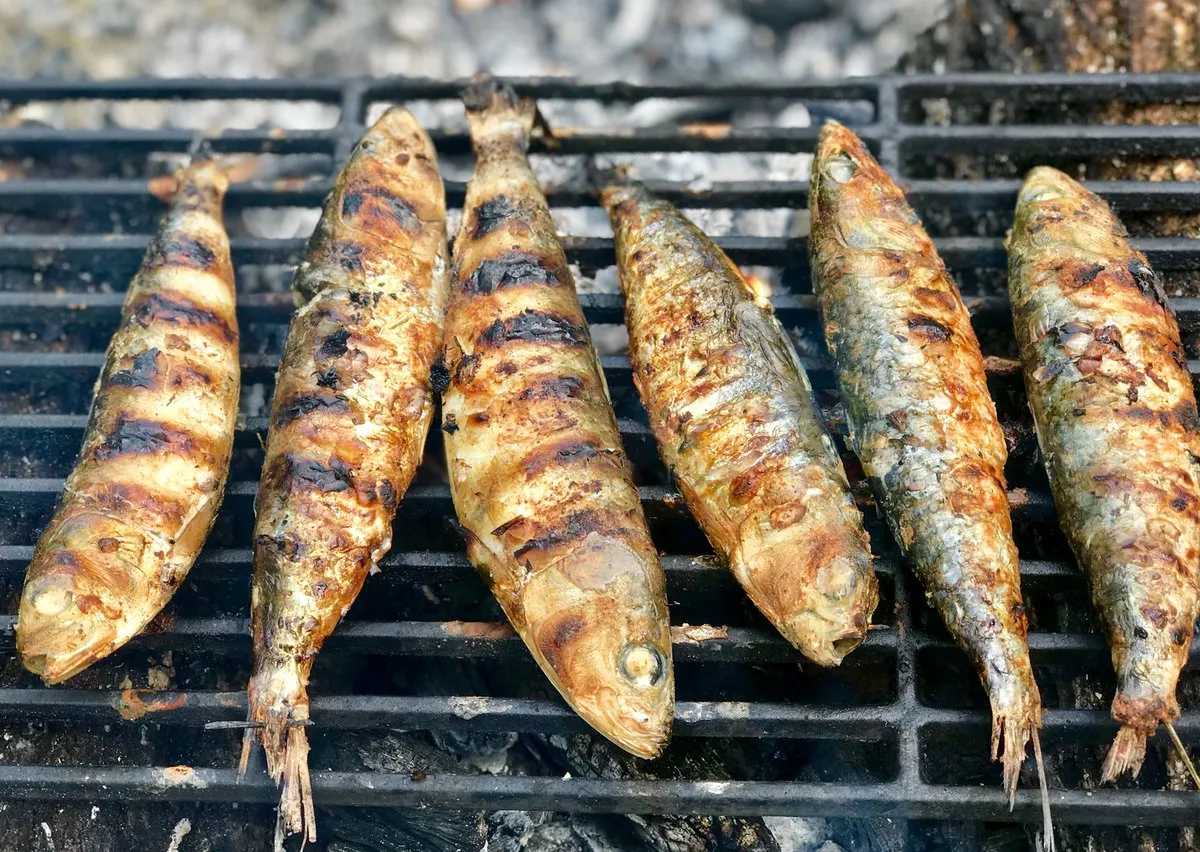
Grilled sardines. They cook them whole over charcoal until the skin is crispy and the flesh is smoky and oily and amazing. They’re a huge thing in June during the Santo António festivals when all of Lisbon smells like grilling sardines, but you can get them year-round. Eat them with your hands, on a slice of bread to catch the juices. Enjoy the whole fish, but obviously… eat around the bones carefully.
Lulas Grelhadas
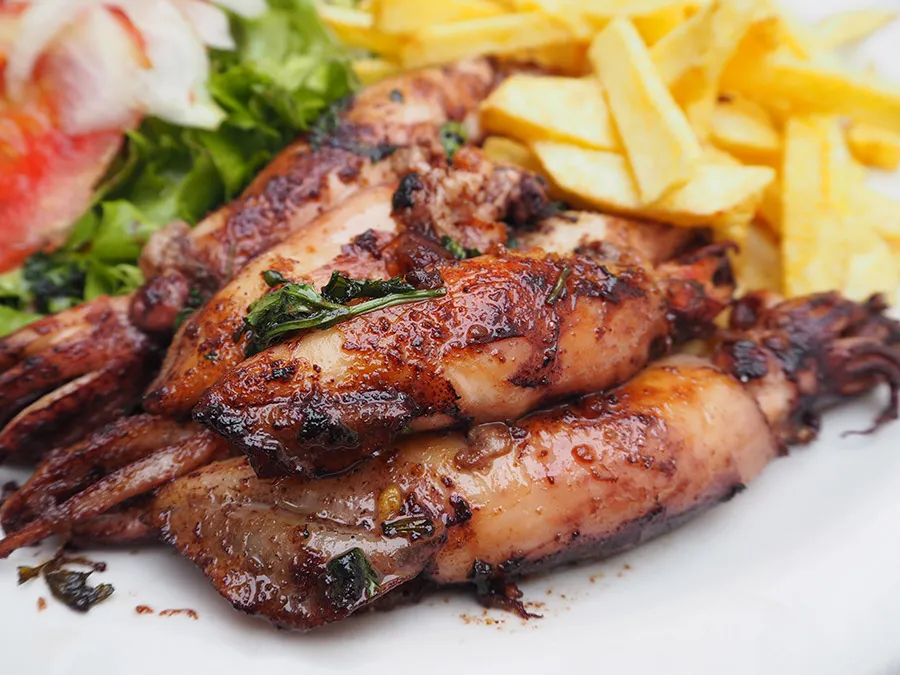
Grilled squid. Tender, charred, served with potatoes and a side salad. Healthy and delicious and fresh. There is plenty to love about it, it’s just consistently great. Order it with a glass of white wine and you’ll have a terrific sunny-day lunch.
Amêijoa à Bulhão Pato
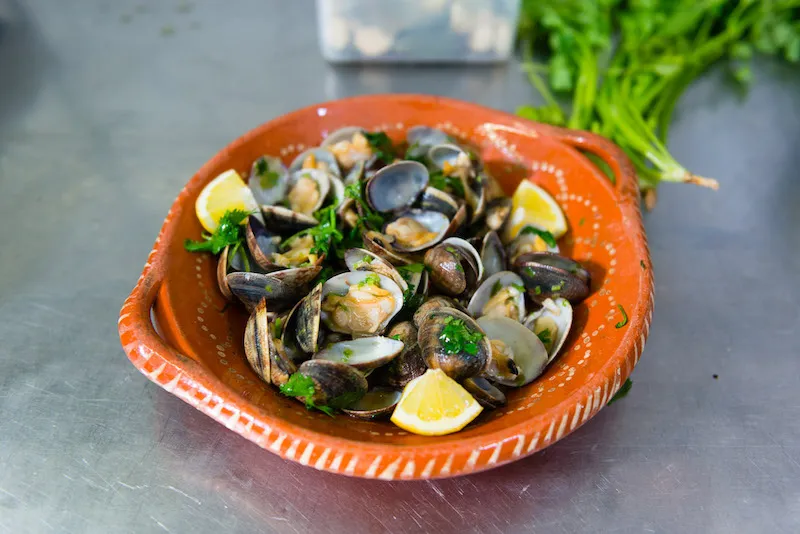
Clams steamed open with garlic, white wine, olive oil, and a ton of fresh cilantro. The broth at the bottom of the bowl is the whole reason this dish exists. You mop it up with bread until there’s nothing left. Great ordered as a shareable crowd pleaser.
Gambas Tigres Grelhadas
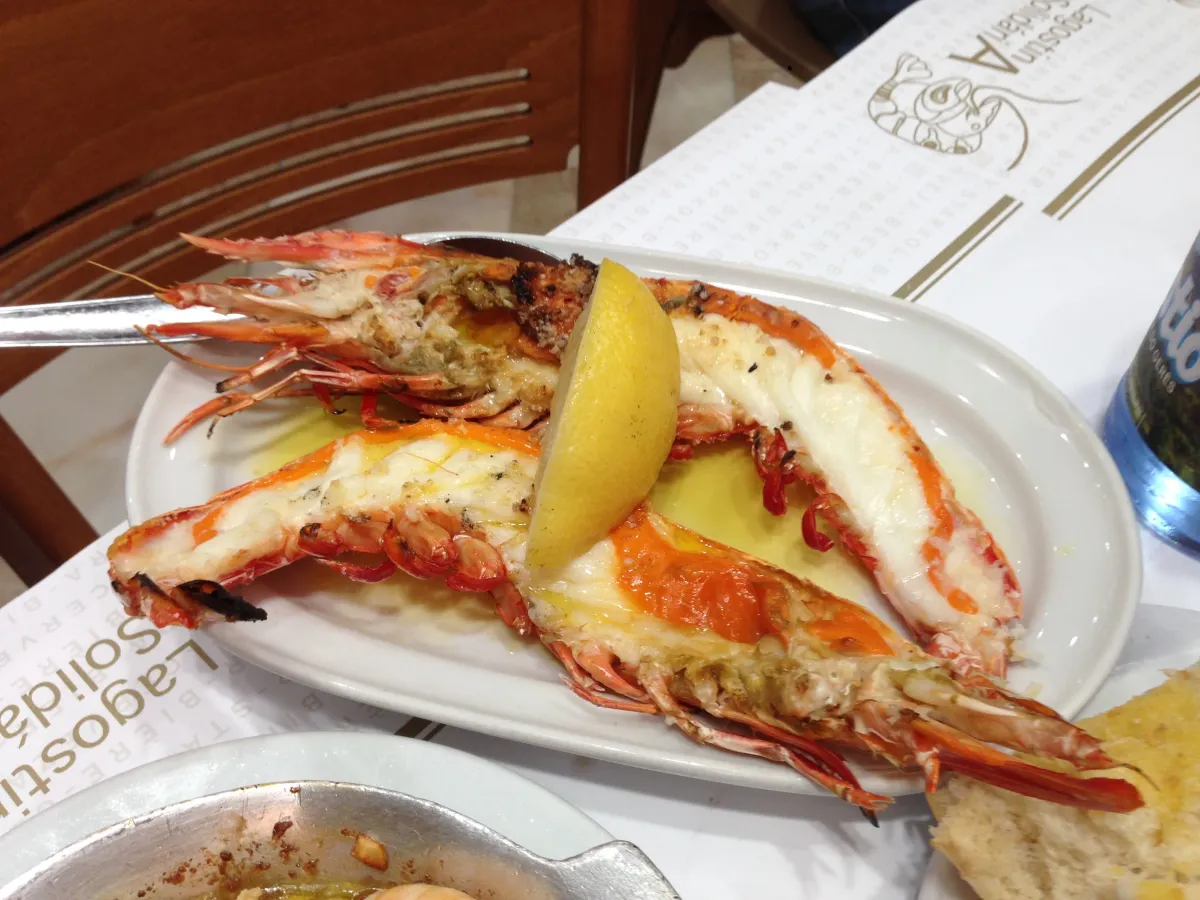
Grilled tiger prawns. They’re enormous, sweet, charred, and served with garlicky butter. Get them at a marisqueira, order a beer, peel them with your hands, make a mess. In my opinion, no trip to a marisqueira is complete without this being in your belly.
Bacalhau
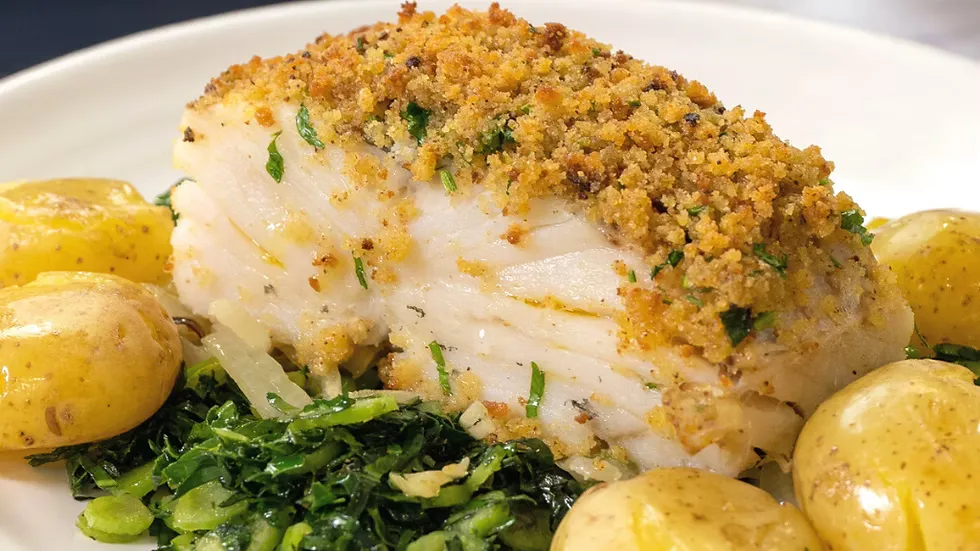
Bacalhau is salt cod, and it deserves its own section because it’s basically the national protein of Portugal. There’s a saying that there are 365 ways to prepare bacalhau, one for every day of the year, and I believe it. I haven’t tried all of them, but the three below are the ones I consistently order over and over.
Bacalhau à Brás
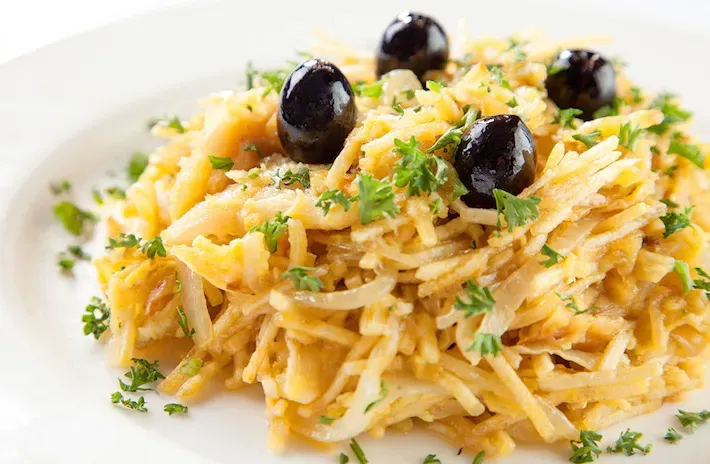
Shredded salt cod, scrambled with eggs, onions, and matchstick fried potatoes, topped with olives and parsley. It’s salty, eggy, crispy, soft, and somehow all the textures work together perfectly. If you’ve never had bacalhau before, this is a great gateway dish. It’s approachable, comforting, and delicious.
Bacalhau com Natas
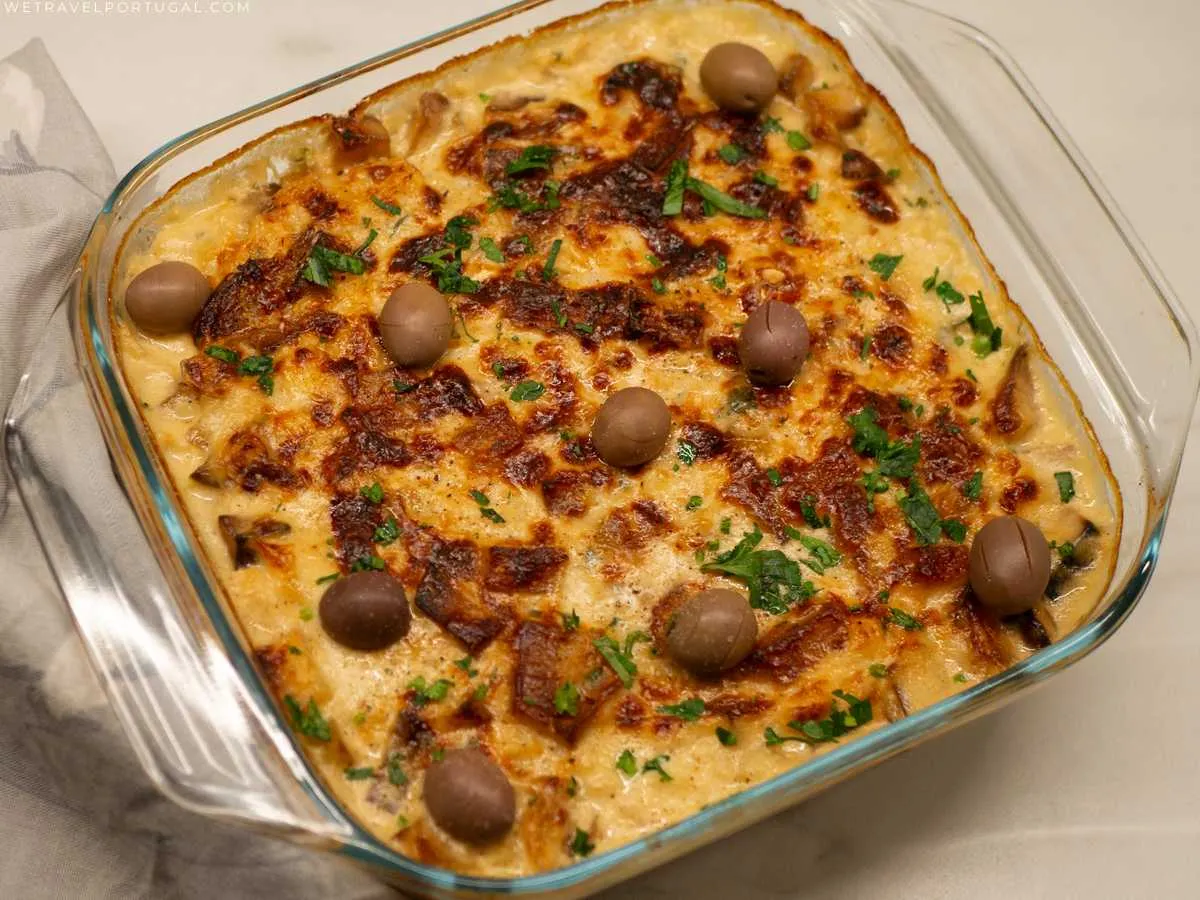
This dish is super decadent, rich, and cheesy. It is a creamy baked casserole of shredded salt cod and potatoes au gratin. Heavy but absolutely incredible, it feels like the ultimate comfort food. If you happen to be here when it’s cold or wet, this is gonna warm you up and make it all better.
Bacalhau à Gomes de Sá
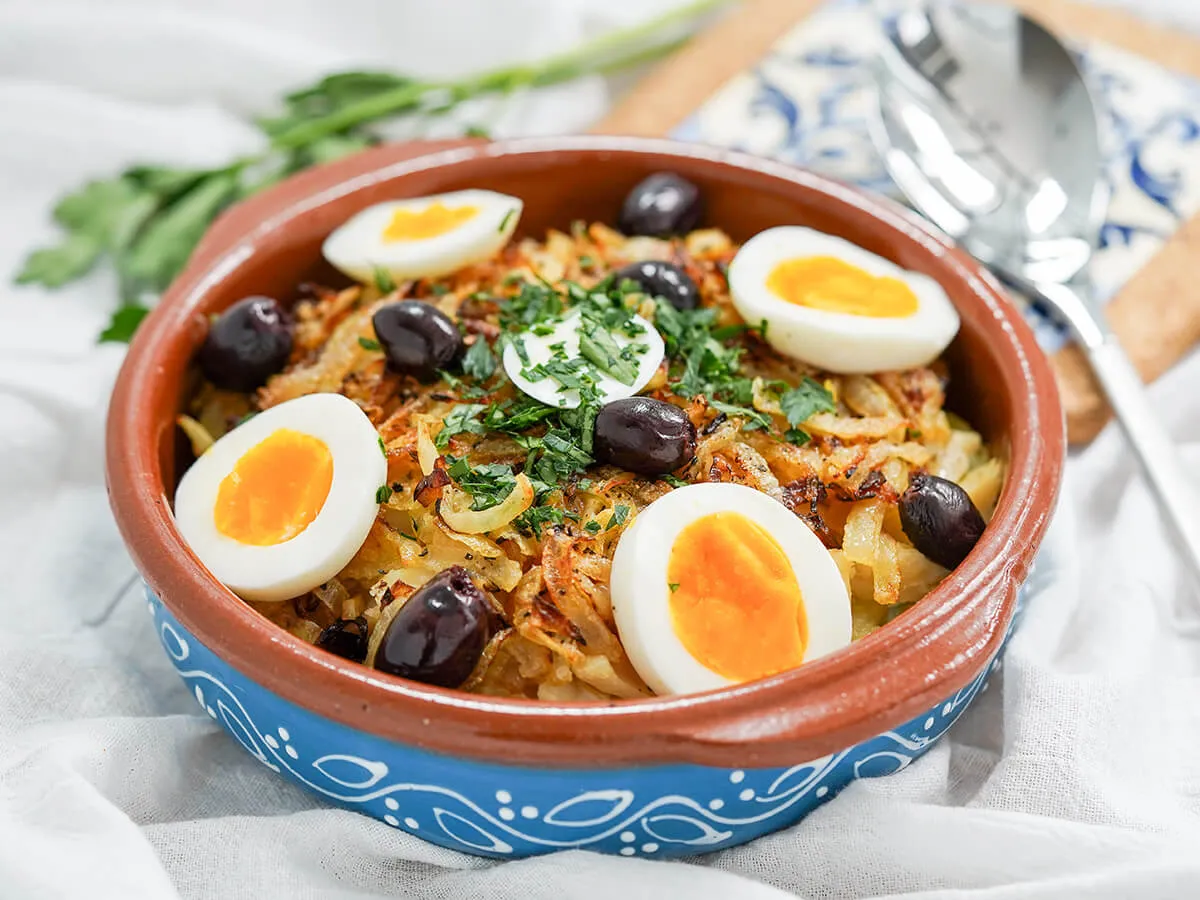
Bacalhau layered with sliced potatoes, onions, garlic, olive oil, hard-boiled eggs, and black olives, baked in the oven. Heartier than à Brás and a little more “Sunday dinner.” It’s the kind of dish that tastes like someone’s grandmother made it, even when it’s coming out of a restaurant kitchen.
Chicken Dishes
Frango Assado
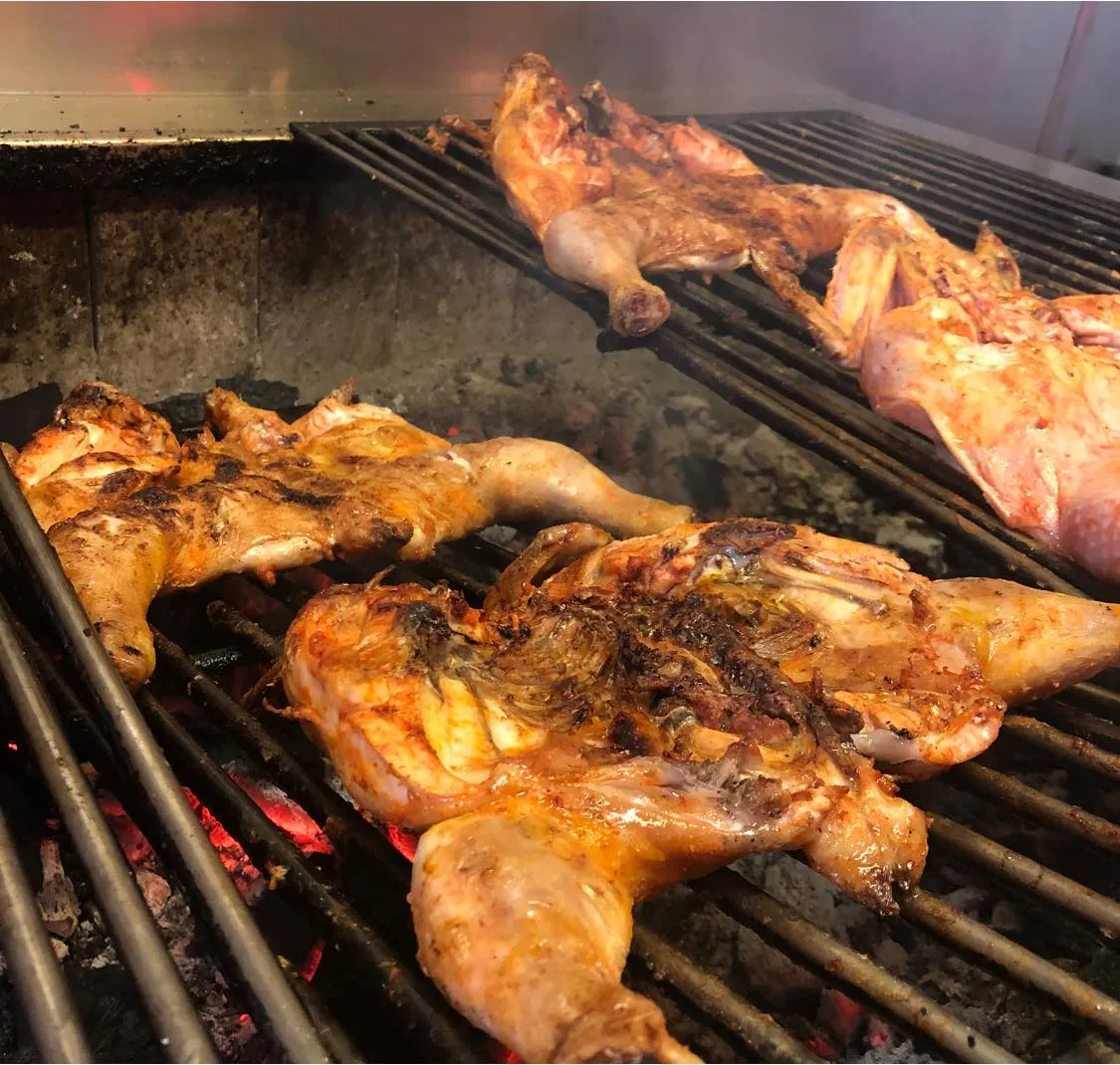
A staple dish of simple grilled chicken roasted over coals. When you order it, they will usually ask if you want it coated in a spicy piri piri sauce (made from its own drippings marinated with spicy peppers) or a mild lemon oil. Both options are incredible. You eat it with your hands alongside some fries and a cold beer.
Alheira
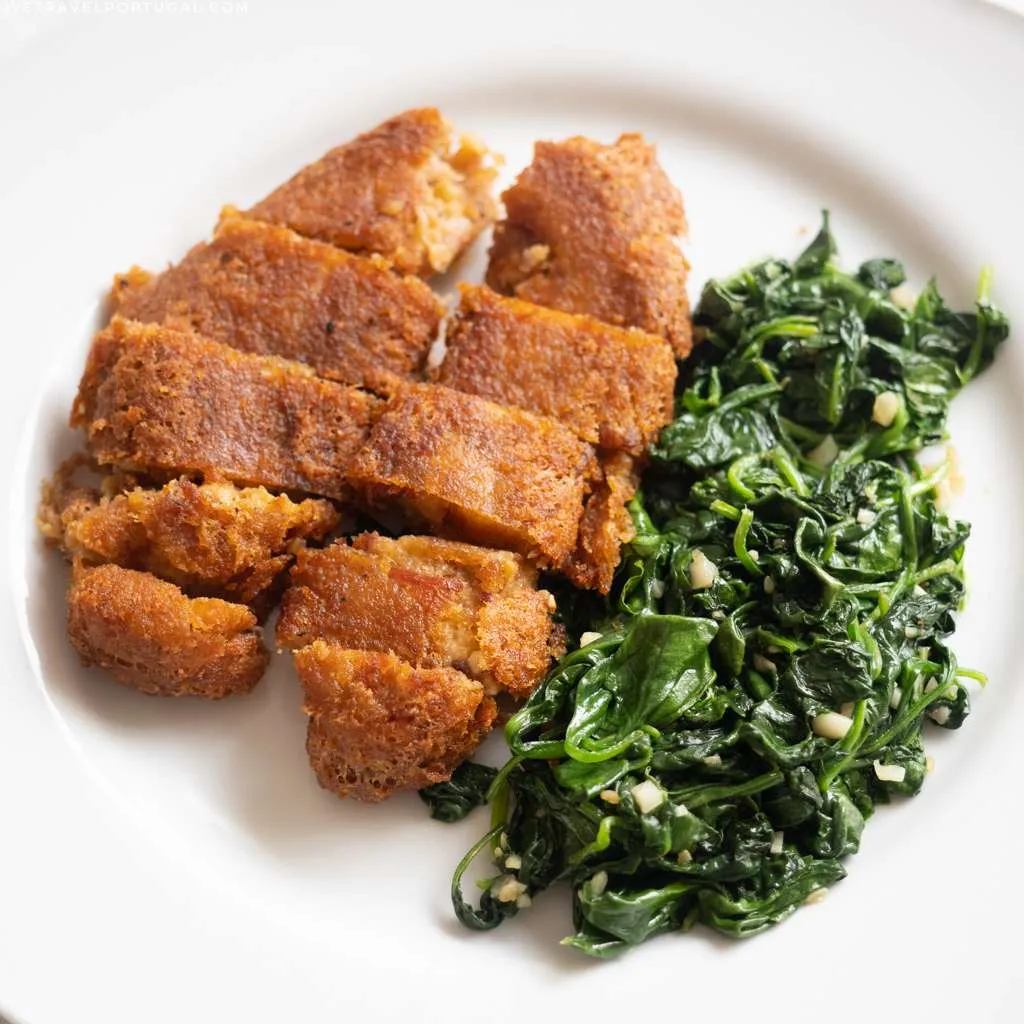
A “crumbly, bready, and garlicky” sausage made with poultry, game, and bread. Historically, it was invented by Portuguese Jews during the Inquisition to “look” like a pork sausage in order to help avoid persecution. The most common way to eat it is grilled, sliced open, and served with a fried egg and fries (“alheira com ovo a cavalo”). It also shows up in croquettes, with sautéed greens, and in savory pastries.
Honestly… I eat way more alheira than I should. If I see it on a menu, I’m getting it.
Rice Dishes
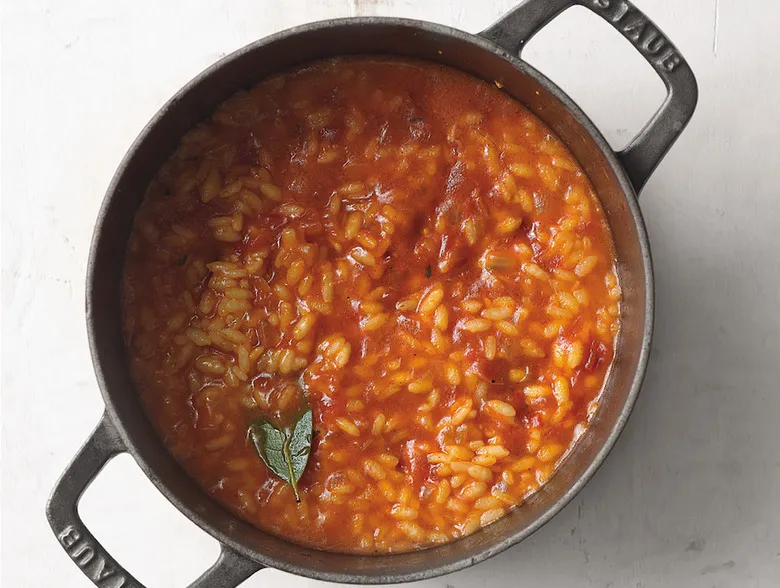
Portuguese rice dishes are entirely distinct from risotto or paella, even though people sometimes try to compare them. They’re soupier, more brothy, and often served in big clay pots meant to be shared. They’re some of my favorite things to order when we have a group.
Arroz de Pato
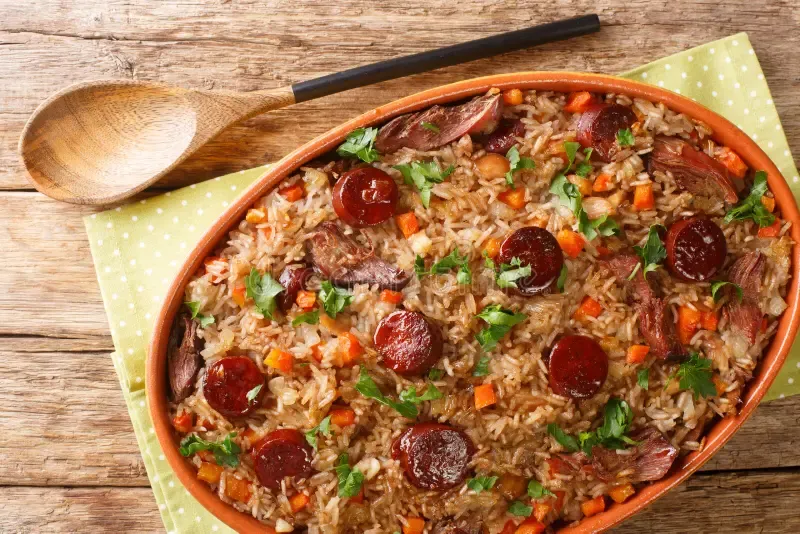
Duck rice. This dish is fantasic and I highly recommend it if you see it offered. Shredded duck cooked into the rice with chouriço and bay leaves, then often baked so the top gets crispy. It’s rich, smoky, deeply savory. Comfort food on a different level.
I get this at my local supermarket like once a week as a quick, microwavable lunch and it’s never disappointed.
Arroz de Marisco
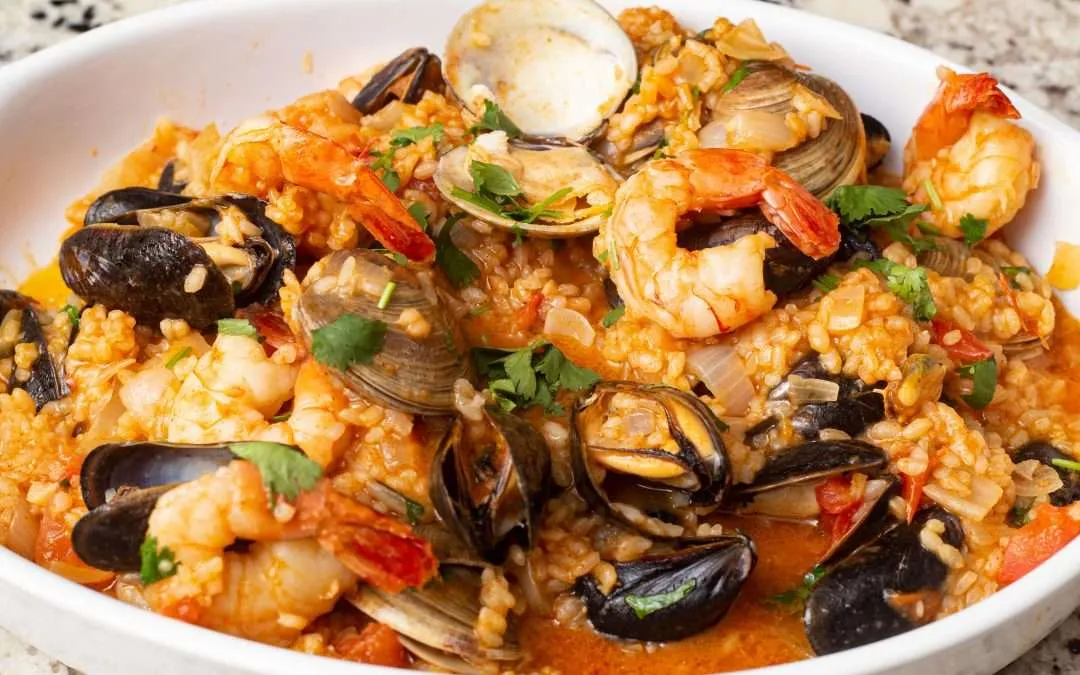
Seafood rice. A big bubbling pot of tomato-y, brothy rice loaded with shrimp, clams, mussels, sometimes lobster, and whatever else the kitchen has. It’s meant to be shared and it’s one of the best group meals you can order in Portugal. The rice soaks up all the seafood juice and becomes the best part.
A really great place to get this is at Marisqueira Uma in Lisbon. Centrally located and the place does this dish super, super well.
Desserts
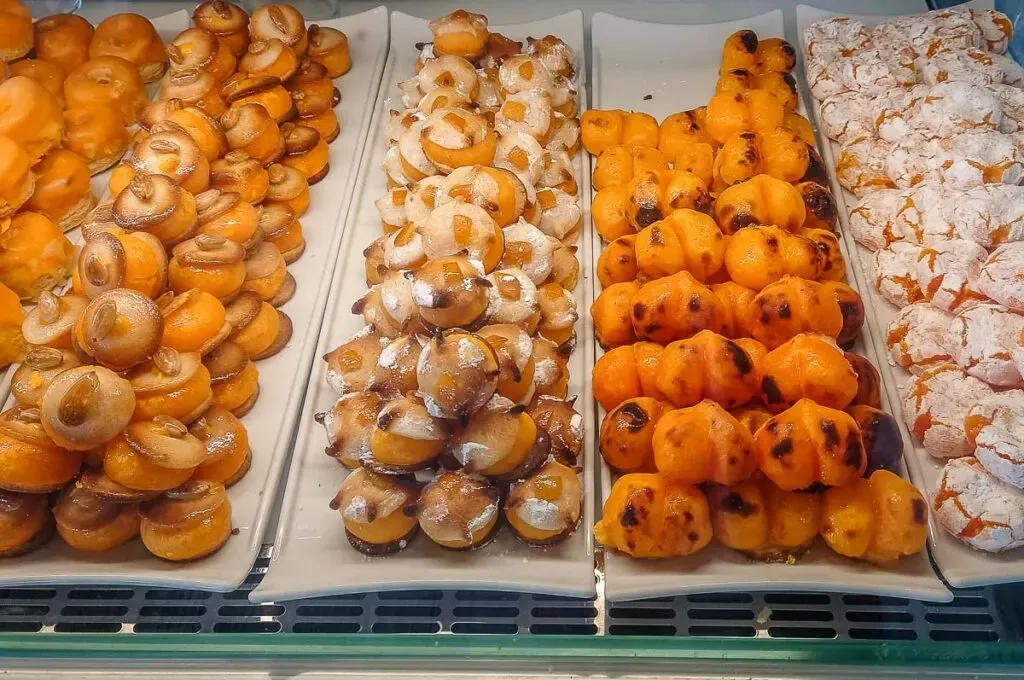
Portuguese desserts are weirdly egg-yolk-forward. There’s a historical reason for this (convents used egg whites to starch their habits and were left with a lot of yolks to use up), so a lot of the traditional sweets are basically variations on egg yolks plus sugar. They’re delicious, but if you live here for 3+ years you start to get tired of egg yolks.
As a visitor, though? Trust the system.
Travesseiros de Sintra
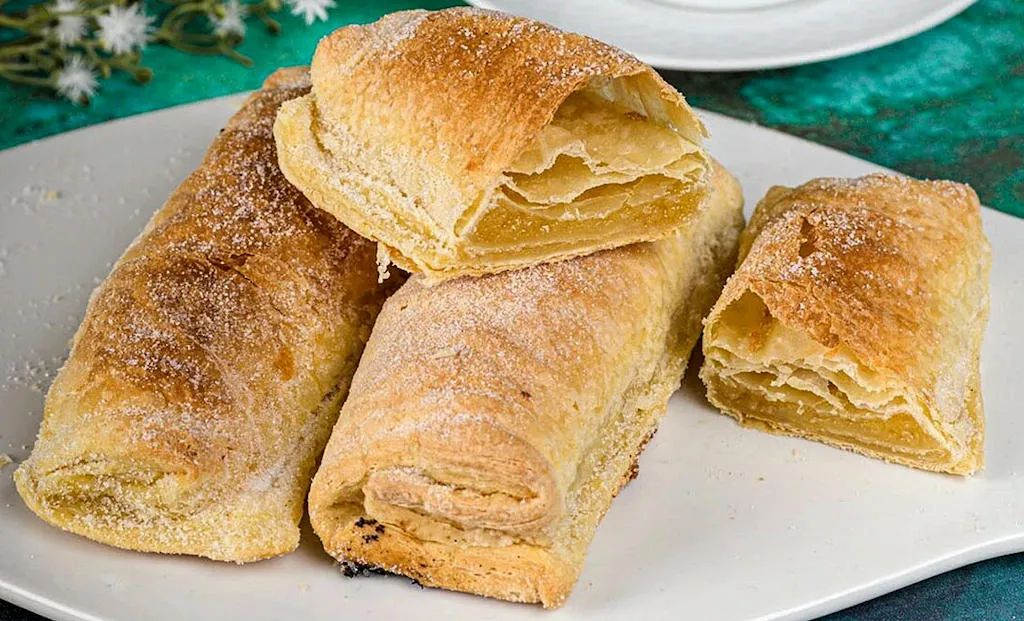
A flaky, puff-pastry “pillow” filled with an almond and egg cream, dusted in sugar. They’re a Sintra specialty. If you take a day trip out there (and you should), you absolutely have to stop at Piriquita and get one fresh. They’re crispy, creamy, almondy, and dangerously easy to eat three of.
Queijadas
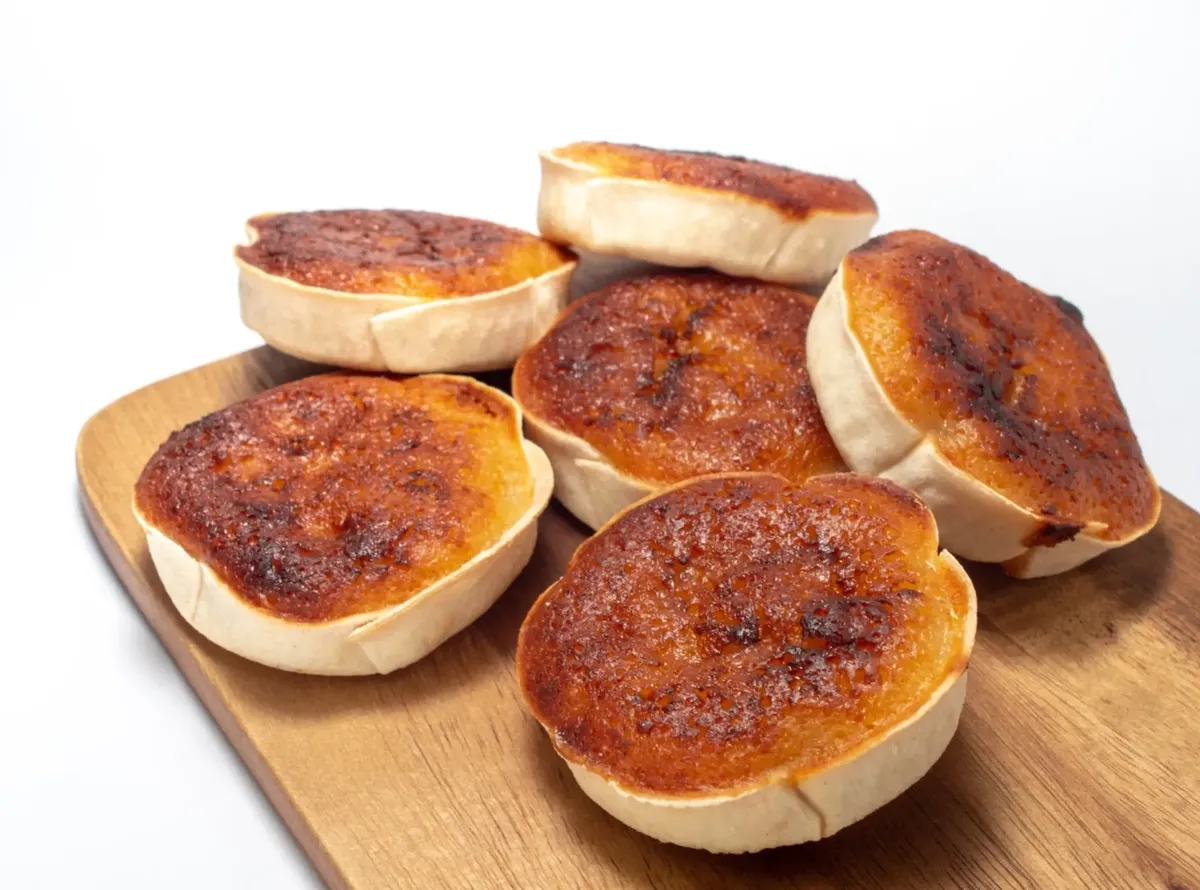
A creamy, caramelly Portuguese flan, but with the slight tang and texture of queijadas (little cheese tarts) baked into it. It’s denser than a typical flan, slightly cheesy in the best way, and the caramel on top is exactly the right amount of sweet and bitter.
Pastéis de Nata

You likely already know about these. They put Portugal on the map and people would kill me if I didn’t include them on this list.
They’re little custard tarts with caramelized tops and flaky pastry shells, Portugal’s most famous export. The OG spot is Pastéis de Belém out in the Lisbon suburb of Belém, and they are genuinely the best.
If you can’t make the trip, Manteigaria has locations all over the city and makes the second-best version. Eat one warm, with a coffee, ideally standing at a counter. It’s basically a religious experience.
There are many other great Portuguese foods to explore, of course this isn’t an exhaustive list… but if you came to Portugal and worked your way through everything above, you’d leave with a pretty solid picture of what we eat here and why we love it.
Boa viagem e bom apetite
